Barnes Common garden clearances and furniture removals
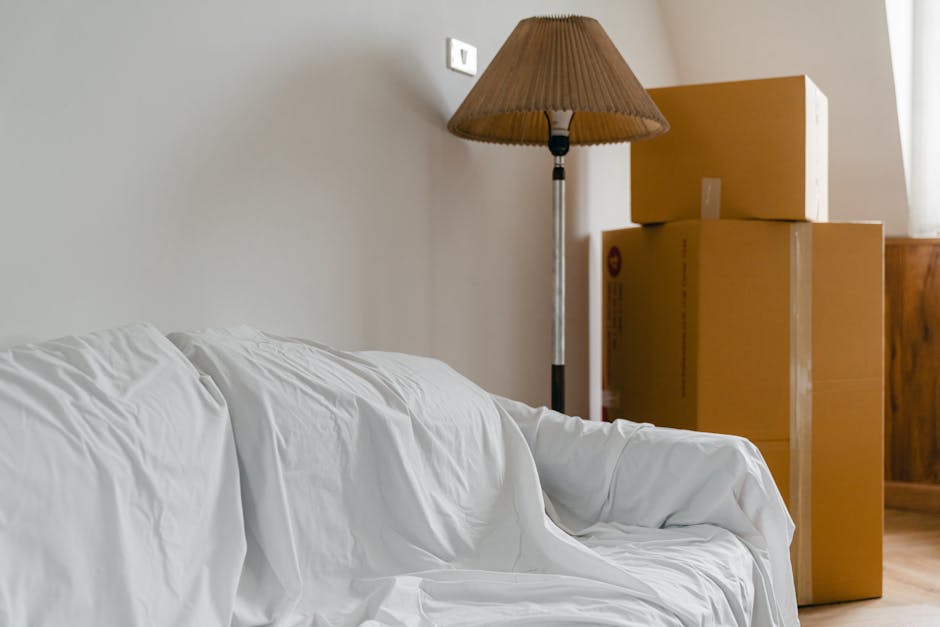
If your garden has become a bit of a halfway house for broken chairs, old patio sets, hedge cuttings, and that sofa you meant to move "next weekend", you're not alone. Barnes Common garden clearances and furniture removals often need to happen together, especially when you're clearing a home, preparing for a move, or just trying to get the place back under control. The tricky part is that garden waste and bulky furniture rarely leave in neat, tidy categories. They need planning, safe lifting, the right vehicle, and a sensible disposal route. This guide walks you through the whole process in plain English, so you can make better decisions without the faff.
Whether you're dealing with a one-off clearance, an end-of-tenancy reset, a house move, or a mixed load of outdoor clutter and indoor furniture, the aim is the same: remove everything efficiently, keep disruption low, and avoid expensive mistakes. Let's get into it.
Why Barnes Common garden clearances and furniture removals matters
On the surface, a garden clearance sounds simple: take away the rubbish, maybe shift a few items, job done. In reality, it's usually a mixed-material problem. You may have soil, wood, rusted metal, plant waste, dismantled furniture, broken planters, sheds, and one or two awkward pieces that need careful handling. Add stairs, narrow side access, or a damp morning in west London and the job gets more interesting, quickly.
That's why combining garden clearances with furniture removals makes so much sense. It reduces trips, lowers the chance of damage, and keeps the whole process coordinated. If you're moving house, for example, there's little point in separately arranging one team for the garden and another for the old dining set. A joined-up plan is usually neater, and to be fair, a lot less stressful.
There's also a wider practical reason. Mixed clearances can create hidden issues if they are rushed. A table left on a lawn may seem harmless, but in damp conditions it can stain grass, attract pests, or become harder to remove later. Likewise, leaving garden waste in piles for too long can smell, break down, or make access difficult for the rest of the move. Small delay, bigger headache. That's the pattern.
Expert summary: the best garden clearance is the one that looks simple because the planning happened before the lifting started. Furniture removals, waste sorting, and access checks should all be thought through together.
If you're looking at a broader move rather than a one-off uplift, it can help to read about home moves and removal services as part of the bigger picture. Garden and furniture work often sits inside a wider relocation plan, not outside it.
How Barnes Common garden clearances and furniture removals works
The process is usually more methodical than people expect. A decent clearance starts with sorting, not lifting. First, the team identifies what needs to go, what stays, and what needs special handling. That sounds obvious, but a surprising number of delays happen because the "keep" pile and the "remove" pile get mixed up halfway through. You can imagine the mood.
In a typical Barnes Common job, the work might involve:
- walking through the property and garden to assess access
- separating green waste from bulky items
- checking whether furniture needs dismantling
- identifying fragile, heavy, or awkward objects
- planning lifting routes through halls, gates, or side access
- loading the vehicle in an order that avoids re-handling
- moving reusable items, recyclable materials, and general waste appropriately
In many cases, furniture removals are better handled as a protected task within the clearance, not as an afterthought. A garden bench can scratch walls on the way out. A wardrobe panel can buckle if it's lifted awkwardly. A planter filled with wet soil can weigh far more than it looks. That last one catches people out all the time.
Professionally, the aim is to reduce unnecessary handling. If a crew can move the item once, safely, it's better than dragging it three times through a narrow route. That's one reason services like furniture removals and furniture pick up are useful when you've got bulky items mixed into a larger clearance.
Key benefits and practical advantages
When garden clearance and furniture removal are handled together, the benefits go beyond convenience. You usually get a cleaner result, better timing, and fewer surprises on the day. Here's what matters most in real life.
- Less disruption: one organised visit is usually easier than several separate jobs.
- Better value: shared transport and labour can reduce duplicated effort.
- Cleaner presentation: useful if you are selling, renting, or handing back a property.
- Safer handling: heavy items, broken furniture, and sharp waste are dealt with properly.
- More efficient disposal: loads can be sorted for recycling, reuse, or responsible removal.
There's also a psychological benefit, if that doesn't sound too grand. A cluttered garden can make the entire home feel unfinished. Once it's cleared, the place suddenly breathes again. You notice the light better. You hear birds rather than scraping chairs. It's a small thing, maybe, but it changes how the property feels.
For property owners managing bigger clear-outs, it can be worth comparing related support such as man and van options, or more structured removals support if the job has expanded beyond one room and one garden.
Who this is for and when it makes sense
This kind of service is for anyone facing a mix of outdoor and indoor items that need to be removed in one go. The strongest use cases are often practical, not dramatic.
- Homeowners preparing to sell: a tidy garden helps the whole property present better.
- Landlords and letting agents: end-of-tenancy clearances often include outdoor furniture, broken planters, and abandoned household items.
- Families downsizing: it's common to have furniture in the house and old items in the shed that both need sorting.
- People moving locally: when you're relocating within or around Barnes Common, combining jobs saves time.
- Anyone with access issues: narrow doors, shared entrances, or rear-garden access can make a planned lift preferable to a DIY scramble.
There are also situations where it makes sense to add storage into the mix. If you're not quite ready to part with everything, or you need a buffer between move-out and move-in dates, storage can keep things calm rather than cramming the whole schedule into one frantic afternoon.
And yes, sometimes the job is just a bit too much for a Saturday with a borrowed van and optimistic planning. Happens to the best of us.
Step-by-step guidance
If you want the cleanest outcome, follow a simple process. Nothing flashy, just solid logistics.
- List everything to be removed. Walk the garden first, then the rooms connected to it. Note bulky items, loose waste, and anything that needs dismantling.
- Separate categories. Keep garden waste, furniture, reusable items, and general rubbish apart where possible. This makes loading faster and reduces confusion.
- Check access points. Side gates, front paths, staircases, lift access, and parking all matter. A quick look can prevent a lot of backtracking.
- Measure awkward items. Long benches, large tables, or sectional furniture can get stuck in doorways if nobody checks properly.
- Decide what needs disassembly. A few screws now can save damaged walls later. It's the boring bit that pays off.
- Clear a loading route. Remove pots, hosepipes, toys, loose tools, and anything you'd rather not trip over.
- Load in the right order. Heavy items first, fragile or scratch-prone items protected and placed carefully.
- Do a final sweep. Check sheds, under benches, behind planters, and the far corner of the garden. People forget those bits all the time.
If you're also moving household contents, it may help to prepare boxes and labels in advance. Services like packing and boxes and packing and unpacking services can make the whole move feel more manageable. Honestly, the label maker earns its keep.
A simple way to think about it
Ask yourself three questions: what stays, what goes, and what might need special handling? If you answer those properly before anyone starts lifting, the rest usually becomes much easier.
Expert tips for better results
A few small choices make a big difference.
- Take photos before and after. Useful for clarity, especially if multiple people are involved in the decision-making.
- Protect floors and thresholds. Even garden clearance jobs can cause scuffs when heavy items pass through the house.
- Keep wet waste separate. Soaked branches or soil-filled pots are heavier than they look and can create mess inside the vehicle.
- Break down furniture where safe. A flat-packed load is usually easier to move than a single awkward shape.
- Have one person make the call. Too many "maybe keep this?" decisions slow everything down.
- Plan for weather. A grey Tuesday in west London is not the time to improvise with cardboard and open cushions.
One thing we see often: people underestimate how much time the final ten percent of the job takes. The last bits are rarely glamorous, but they matter. That old parasol stand, the cracked shelf, the plant pot hidden behind the shed-these are the items that make a clear-out feel truly finished.
If you need a vehicle suited to mixed loads, a removal van or a moving truck may be more practical than a standard hire vehicle, especially if you want fewer journeys and less lifting.
Common mistakes to avoid
Most clearance problems are predictable. That's the annoying part. The good news is they're avoidable.
- Leaving sorting until the day. Sorting on the fly slows everything down and often creates accidental waste mistakes.
- Assuming everything is light. Wet timber, old planters, and dense furniture can be much heavier than expected.
- Forgetting access constraints. A beautiful garden is lovely, but narrow access and tight corners can be a real headache.
- Not checking for hidden items. Sheds, under-steps, and corners behind hedges hold surprises. Always.
- Mixing valuables with rubbish. This sounds obvious, but a quick sweep of drawers and shelves can save trouble.
- Trying to do too much in one vehicle. If the load is badly stacked, items can be damaged on the way.
Another common issue is treating a clearance as a separate job from the move. In practice, they often overlap. A room may be stripped while the garden is cleared, and the timing matters. If you're relocating, home moves and house removals guidance can help you line the tasks up properly.
Tools, resources and recommendations
You do not need a huge kit for a straightforward clearance, but a few practical tools help a lot.
- Work gloves: for handling rough timber, broken furniture, and thorny cuttings.
- Straps or rope: useful for securing awkward loads.
- Blankets or wraps: protect furniture edges and nearby walls.
- Basic hand tools: a screwdriver, Allen key set, or wrench can be enough to dismantle common items.
- Heavy-duty bags: handy for leaves, lighter waste, and mixed garden debris.
- Labels or marker pens: useful if some items are staying and some are going elsewhere.
For larger or more complex jobs, it helps to work with people who understand both moving and clearance logistics. If your project includes an office move, a studio clear-out, or business storage overflow, commercial moves and office removals may be relevant too. It's not always a domestic story, truth be told.
You can also compare removal companies and their pricing and quotes approach if you're trying to judge value rather than just headline cost. Transparent scoping matters more than a cheap number that changes later.
Law, compliance, standards, or best practice
For garden clearances and furniture removals in the UK, the main point is that waste and reusable items should be handled responsibly. You do not need to be a compliance expert, but you should expect sensible practices around sorting, transport, and disposal. Items should not simply disappear into a van and hope for the best. That is not good practice, and it can cause real problems if waste is mishandled.
In practical terms, responsible providers tend to focus on a few basics:
- safe manual handling to reduce injury risk
- clear separation of reusable, recyclable, and waste items
- secure transport so nothing falls or gets damaged in transit
- careful treatment of bulky items and sharps
- respect for private property, access routes, and neighbours
For customers, it is sensible to ask how items will be managed, particularly if you have a mix of furniture, wood, green waste, and general rubbish. You are not being awkward by asking. You are being sensible. If a company has clear policies on health and safety, insurance and safety, and recycling and sustainability, that usually tells you they take the work seriously.
For admin and trust-building, it also helps to understand the business side: payment and security, terms and conditions, and the company's about us page can tell you a lot about how the work is approached. Small detail, big reassurance.
Options, methods, or comparison table
There are a few ways to tackle Barnes Common garden clearances and furniture removals. The right one depends on volume, access, timing, and how much lifting you want to do yourself.
| Method | Best for | Advantages | Limitations |
|---|---|---|---|
| DIY clearance | Very small loads, easy access, light items | Low direct cost, full control | Time-consuming, physically demanding, disposal can be messy |
| Man with a van | Moderate loads, mixed furniture, local moves | Flexible, usually quicker than DIY, good for bulky items | May still require your help with sorting and lifting |
| Full removal service | Larger clear-outs, awkward access, move-day combinations | More organised, less stress, better for heavy or mixed loads | Typically costs more than a simple vehicle-only option |
| Clearance plus storage | Uncertain move dates, downsizing, staged decluttering | Creates breathing room, avoids rushed decisions | Extra planning and coordination required |
If the job is mostly about speed and flexibility, man with a van or man with van style support can work well. If the job is broader and more sensitive, a more structured approach is often the better call.
For students, smaller households, or tight timelines, student removals and same day removals may also be relevant. Not every clearance can wait until next week.
Case study or real-world example
Here's a realistic scenario. A couple in Barnes Common are preparing to move from a house with a compact rear garden. Over the years, the garden has collected an old table, three broken chairs, a rusted parasol base, a dismantled shelf, several bags of hedge cuttings, and a few plant pots that seem to multiply every spring. Indoors, there is one large sideboard and a small armchair that will not fit into their new place.
Instead of treating each item separately, they schedule one organised clearance. First, they walk through the house and garden and decide what stays, what goes, and what needs a second look. The furniture is measured, the side access is checked, and a path through the hallway is cleared. On the day, the team removes the outdoor waste first, then the furniture, then does a final sweep of the shed and patio. No drama, no repeated loading, no "oh, we forgot that bit".
The result is simple but useful: the garden looks ready for handover, the furniture is gone, and the moving day itself becomes much calmer. That's the real win. Not spectacle. Just fewer moving parts.
Practical checklist
Before the job starts, work through this list. It saves time, and it saves those awkward mid-job questions nobody enjoys.
- Confirm exactly what is being removed
- Separate keep, donate, recycle, and dispose piles where possible
- Measure the largest items
- Check gates, stairs, and parking access
- Clear pathways inside and outside the property
- Remove personal items from drawers, shelves, and pots
- Set aside tools needed for dismantling
- Protect flooring and any tight corners
- Confirm whether storage is needed for anything uncertain
- Review safety, insurance, and payment details before the day
Useful reminder: if you are combining garden clearances with a full move, make the clearance happen before the final rush. Once the boxes start stacking up, everything feels more chaotic. Better to clear first, then move.
Conclusion
Barnes Common garden clearances and furniture removals work best when they are planned as one joined-up job. That means sorting properly, checking access, choosing the right transport, and handling bulky or mixed items with care. Done well, the whole process feels smooth, tidy, and a lot less tiring than trying to piece it together on the day.
The biggest takeaway? Don't underestimate the value of preparation. A clear plan turns a cluttered garden and a heavy furniture load into something manageable. And once the last item is gone, the space usually feels better than you expected. Cleaner. Lighter. Easier to live with. Which, honestly, is exactly the point.
If you're ready to get organised, compare your options, look at the practical details, and choose the level of support that fits your situation rather than forcing a DIY hero moment that nobody asked for.
Get a free quote today and see how much you can save.
Frequently Asked Questions
What is included in Barnes Common garden clearances and furniture removals?
It usually includes the removal of garden waste, old outdoor furniture, bulky household furniture, and other unwanted items from the property. The exact scope depends on access, item size, and whether anything needs dismantling.
Do I need to sort items before the clearance starts?
It helps a lot, yes. If you can separate keep, remove, recycle, and donate items in advance, the job tends to run faster and with fewer mistakes. Even a rough sort makes a difference.
Can garden waste and furniture be removed together?
Yes, and in many cases that is the most efficient approach. Mixed clearances are common, especially during home moves or end-of-tenancy work, because they reduce duplicated labour and transport.
How do I know whether I need a van or a full removal service?
If the load is small and access is easy, a van-based service may be enough. If you have multiple bulky items, tight access, or a broader property clearance, a fuller removal service is usually more practical.
What should I do with furniture that is too big to move in one piece?
Ask whether it should be dismantled first. Many items move more safely once they are broken down into manageable sections, as long as that can be done without damaging the piece or the property.
Is it better to clear the garden before or after the move?
Usually before, if possible. Clearing early makes access easier and reduces the chance of clutter getting in the way on moving day. That said, every property is different, so timing should match your schedule.
What happens if I need temporary storage for some items?
Storage can be useful if you are undecided about certain furniture or your move-in date does not line up neatly. It gives you breathing room instead of forcing rushed decisions.
Are there safety concerns with old garden furniture?
Yes. Old metal, broken wood, sharp edges, and unstable items can all cause injuries if handled carelessly. Wet or mossy surfaces can also make lifting more awkward than expected.
How can I reduce the cost of a clearance?
Good preparation helps. Sorting items in advance, making access easy, and having everything ready to load can reduce wasted time. It also helps to compare services carefully rather than only looking at the headline price.
Can a clearance include items from inside the house as well as the garden?
Absolutely. In fact, many jobs involve a mix of indoor and outdoor items. That is often the cleanest way to handle move-out or decluttering work, especially when both spaces need attention.
How do I choose a trustworthy provider?
Look for clear communication, sensible pricing, and straightforward details about safety, insurance, payments, and disposal practices. If a company explains how the work will be done, that is usually a good sign.
What if I need the job done quickly?
If timing is tight, ask about same-day or short-notice availability. A fast turnaround is possible in some cases, but the more details you provide up front, the easier it is to confirm what can realistically be done.
Is it worth combining garden clearance with furniture removal?
Most of the time, yes. Combining the two can save effort, simplify scheduling, and reduce the number of times items are handled. It tends to be the calmer, neater option. And calmer is good.