St Margarets Road narrow access removals in Barnes
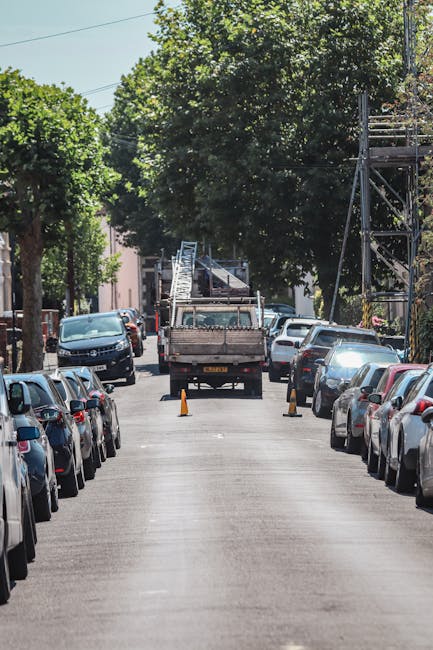
If you are planning St Margarets Road narrow access removals in Barnes, you already know the tricky part is not always the packing. It is the approach. Tight road space, awkward turns, limited parking, and stairs that seem to have been designed by someone with a sense of humour can all turn moving day into a bit of a puzzle. The good news? With the right preparation and a sensible removal plan, it does not need to be stressful.
This guide explains how narrow access moves work on St Margarets Road, what makes them different, where delays usually happen, and how to avoid the common mistakes that catch people out. You will also find a checklist, a comparison table, and practical advice for homes, flats, and small commercial moves in Barnes.
Why St Margarets Road narrow access removals in Barnes Matters
Narrow access moves are a different kind of job. On a road like St Margarets Road, the issue is rarely the volume of belongings alone. It is the space around the property. If the van cannot park close enough, everything takes longer: carrying, loading, protecting items from weather, and making repeated trips up and down stairs or along a tight path.
That matters for three reasons. First, it affects timing. Second, it affects safety. Third, it affects cost and stress. In a normal move, the team can usually work in one tidy flow. On a narrow-access move, the team has to think like logistics people. Where can the vehicle stop? Which furniture needs to come out first? Is there a side gate, shared passage, or awkward kerb to manage?
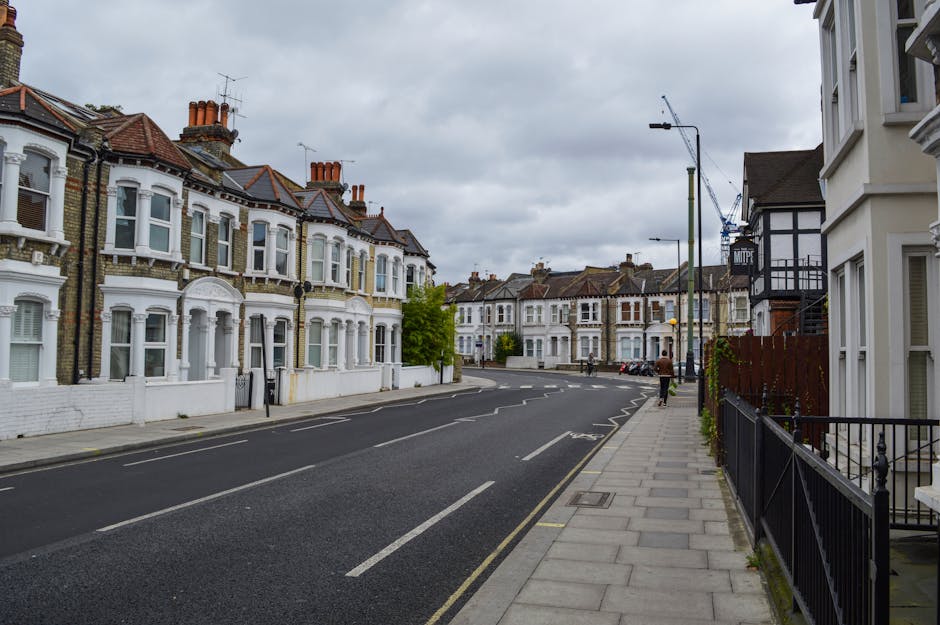
Barnes also has that classic South West London mix of property types: period terraces, converted flats, maisonettes, and homes with characterful entrances that are lovely to live in, but not always easy for moving day. Truth be told, the prettier the street, the more likely it is that access is a little less straightforward. Not always, but often enough.
If you are moving from a top-floor flat, dealing with a shared driveway, or organising a home removal on a road with limited stopping space, planning properly can make the difference between a smooth day and a long one. For many customers, a well-planned man and van arrangement or a tailored removal service is the sensible choice.
Expert summary: Narrow access removals are won before the truck arrives. The best results come from accurate access details, smart packing, suitable vehicle selection, and a crew that knows how to adapt when the road or property layout is not ideal.
How St Margarets Road narrow access removals in Barnes Works
A good narrow-access removal starts with information. The moving team needs to understand not only what is being moved, but how it gets out of the property and where the vehicle can sensibly position itself. That is the real job.
Here is how the process usually works.
1. Access is assessed early
The first step is a clear picture of the property. That means noting stair count, lift availability, road width, parking restrictions, kerb height, door widths, and anything that could slow the move down. If you have a long walkway, a tight front garden, or a shared entrance, that needs to be mentioned up front. No guessing. No "it should be fine" if you are not sure.
2. The right size vehicle is chosen
For narrow streets, vehicle size matters a lot. Sometimes a larger lorry is not the best answer, even if it seems more efficient on paper. A smaller removal van can actually be faster if access is tight and parking is limited. Other times, a larger vehicle is still useful if loading can happen nearby and the route is manageable.
3. The move is packed in the right order
On a restricted access job, packing order is not just tidy housekeeping. It is strategy. Large, awkward, or fragile items should be planned so they come out in a sensible sequence. You do not want the piano buried behind twelve boxes and a dismantled wardrobe when the parking slot is only available for twenty minutes. Let's face it, that would be a bit of a headache.
4. The loading route is kept clear
Hallways, porches, shared landings, and garden paths all need to stay as clear as possible. If the access route is cluttered with shoes, bins, bikes, or loose rugs, the risk of knocks and delays goes up quickly. This is where careful preparation pays off.
5. The team adapts on the day
Even the best plans sometimes need a small adjustment. A neighbour may be parked in a useful space. Weather may slow things down. A bulky sofa may take a different route than expected. A good team keeps calm, works around the problem, and moves items safely rather than forcing a rushed solution.
If you are moving a full household, it may also help to combine the removal with packing and boxes support or a fuller packing and unpacking services option, especially when there is limited space for staging items outside the property.
Key Benefits and Practical Advantages
When a narrow access move is planned properly, you get more than just a van and a few hands. You get control. That is really the main benefit.
- Less damage risk: Good route planning reduces scraping, bumps, and awkward lifting.
- Better time management: When the right vehicle and team are used, the move stays more predictable.
- Lower stress: Clear expectations mean fewer surprises on the day.
- Safer lifting: Shorter, cleaner carrying routes make it easier to move heavy items properly.
- Smarter use of space: A compact vehicle can sometimes beat a larger one on narrow roads.
- More flexible service options: You can scale up or down depending on whether you are moving a studio flat, a family home, or a small office.
There is also a quieter benefit people sometimes overlook: good planning helps you keep your neighbours onside. On streets like St Margarets Road, where parking can already be tight, being organised and respectful matters. Nobody wants to block driveways, leave a van idling awkwardly, or turn a normal Tuesday into a local event.
For people selling a property, moving into rented accommodation, or coordinating a chain, that small margin of control can be worth a lot. If there is a deadline involved, a well-managed same day removals option may also be worth discussing, provided access and load size are realistic.
Who This Is For and When It Makes Sense
This type of move is ideal for anyone dealing with restricted access, but especially if one or more of the following applies:
- You live on a narrow residential road with limited parking.
- Your property has stairs, a tight hallway, or a small front entrance.
- You are moving from a flat, maisonette, or converted building.
- You have heavy or awkward furniture that needs careful handling.
- You are moving at a busy time of day and need to minimise disruption.
- You have a deadline and cannot afford a chaotic start.
It makes sense for homeowners, tenants, landlords, and small businesses alike. A student move out of a compact flat near Barnes can need the same kind of planning as a family home move. The difference is scale, not the basic logic.
It is also useful if you are comparing service styles. A smaller load may suit a flexible man with a van setup, while larger household moves may need a more structured removals service with extra handling and protection. Not every move needs the same machinery. That part gets missed more than it should.
Step-by-Step Guidance
If you want a smoother move on St Margarets Road, work through the process in a practical order. You do not need to be a professional organiser. Just a little method helps a lot.
- Measure access points. Check doorway widths, stair turns, tight corners, and the route from the property to the roadside.
- List the difficult items. Sofas, wardrobes, beds, mirrors, pianos, and glass furniture should be flagged early.
- Take photos of the access. A few phone pictures of the driveway, staircase, or entrance can be surprisingly helpful.
- Decide what vehicle size is realistic. Bigger is not always better on a narrow street.
- Sort parking and timing. If the road is busy, aim for a calmer time of day if possible.
- Pack in load order. Put first-out items near the front and daily essentials in clearly labelled boxes.
- Protect fragile items properly. Use wrapping, blankets, and sturdy boxes for anything delicate.
- Clear walkways inside and out. It sounds obvious. It often gets overlooked.
- Keep a small essentials bag aside. Phone chargers, medication, tea bags, keys, documents. The usual suspects.
- Confirm the final plan before moving day. A quick recap saves confusion later.
If the property includes bulky or delicate items, such as a grand piano or upright instrument, you may want to look at piano removals rather than treating it like a standard box move. Musical instruments are one of those things that look manageable until they are halfway down a staircase. Then, well, not so much.
Expert Tips for Better Results
Here are the bits of advice that tend to make the biggest difference in narrow access removals. Some are simple. Some are the sort of thing you only learn after seeing enough moving day mishaps to become mildly suspicious of loose rugs and oversized mirrors.
- Do a realistic access walk-through. Stand at the front door and trace the route all the way to the van.
- Do not underestimate carry distance. Twenty extra metres can change the whole rhythm of the day.
- Keep one person focused on access. If there is a gate, door code, or parking issue, someone needs to own that detail.
- Use better packing than you think you need. Narrow routes are not forgiving. Items get bumped more easily.
- Label boxes by room and priority. When unloading is tight, it helps the team place things quickly and correctly.
- Reserve the biggest, heaviest items for the right moment. That usually means early, before fatigue sets in.
- Consider storage if timing is awkward. If completion day and access timing do not quite line up, short-term storage can reduce pressure.
A small practical tip: if you know parking near the property is awkward, keep the kerbside area free well before the van arrives where possible. Even a few minutes saved there can calm the whole day down.
And if you are comparing service styles, it can help to read about the wider range of removal services available, especially where the move might need more than one type of support. Sometimes the best solution is not one big service but a sensible mix.
Common Mistakes to Avoid
Most narrow access problems are avoidable. Usually, the issue is not bad luck. It is incomplete planning. Here are the mistakes that crop up most often.
- Assuming a large vehicle will always be better. On a narrow street, that can be exactly the wrong approach.
- Not mentioning access restrictions early. If the removal team finds out too late, the plan may already be wrong.
- Forgetting about stairs and turns. A sofa that fits through a door may still fail at the landing. Annoying, but common.
- Leaving packing until the last minute. That creates clutter and slows the crew down.
- Ignoring parking reality. If the road is tight, be honest about it. Nobody benefits from wishful thinking.
- Not protecting floors and doors. Narrow routes mean more contact with surfaces, so protection matters.
- Leaving pets, children, or extra people in the carrying route. Safety and speed both suffer.
A small one, but important: do not bury your kettle at the bottom of a mixed box pile if you want tea at the other end. That is the sort of mistake people laugh about later, usually after a very long afternoon.
Tools, Resources and Recommendations
You do not need specialist kit for every move, but the right basics help enormously. The goal is to make the route cleaner, faster, and safer.
| Tool or resource | Why it helps | Best used for |
|---|---|---|
| Measuring tape | Checks doors, stair turns, and furniture clearances | Large furniture and narrow internal routes |
| Strong boxes | Keeps items stable during carrying | Books, kitchenware, household items |
| Wrapping materials | Protects edges and fragile surfaces | Mirrors, lamps, glass, artwork |
| Blankets and covers | Reduces scuffs while moving through tight spaces | Cabinets, appliances, polished wood |
| Labels and marker pens | Makes unloading and room placement quicker | Every box, really |
| Mobile photos of access | Helps the team assess the route before arrival | Shared entrances, drives, tight staircases |
Where possible, also keep your move documents, keys, and contact details together in one easy-to-reach place. That sounds small, but on moving day the little things love to disappear.
If you are moving out of a one-bedroom flat or a compact property, flat removals may be a more fitting service type than a general household move. For larger family homes, a home moves approach is often more suitable. Matching the service to the property is half the battle.
Law, Compliance, Standards, or Best Practice
For most domestic moves, the main focus is not legal complexity. It is safe working practice. That said, there are still sensible standards to follow. Removal teams should handle lifting safely, protect property and surfaces, and work in a way that reduces risk to people and possessions.
In the UK, safe moving practice usually means:
- carrying loads in a controlled way
- not blocking access unnecessarily
- using suitable vehicles for the job
- treating fragile or heavy items with care
- communicating clearly about hazards and access issues
Insurance is another practical consideration. You should always know what is covered, especially for valuable or awkward items. Read the removal company's policy details carefully so you understand the limits and exclusions before the move begins. That is just common sense, honestly.
It is also wise to check terms, payment arrangements, and how any complaints are handled if something goes wrong. That may not be the exciting part of moving, but it is part of a trustworthy service. For broader information, you can review the company's insurance and safety, health and safety policy, terms and conditions, and pricing and quotes information before booking.
Options, Methods, or Comparison Table
Different move types can work well on narrow-access roads, but the right choice depends on how much you are moving and how difficult the route is. Here is a simple comparison.
| Option | Best for | Strengths | Possible drawback |
|---|---|---|---|
| Man and van | Smaller loads, short distances, flexible jobs | Agile, practical, often easier on tight roads | May not suit very large household moves |
| Full removals service | Whole homes, bigger furniture, more complex moves | More structured planning and loading support | Can be more than you need for a small move |
| Removal van only | Simple transport needs with good pre-packing | Useful for straightforward loads | Less support for packing or heavy handling |
| Storage plus removals | Delayed completion, staged moves, temporary overflow | Reduces pressure when timings do not line up | Requires an extra step in planning |
For many people on St Margarets Road, the sweet spot is a flexible vehicle with experienced handling, rather than a huge truck trying to fight the street. Sometimes less is more. A rare truth in moving, but there it is.
If your move is business-related, an office removals or broader commercial moves approach may be the right fit, especially if access is tight but items are mostly boxed or modular.
Case Study or Real-World Example
A typical narrow-access move in Barnes might involve a second-floor flat on a busy residential road, with limited parking and a narrow front entrance. The customer may have a bed frame, a sofa, a dining table, boxes of books, and a few fragile items. Nothing dramatic. Just enough to need good planning.
In a case like this, the best approach is usually to check the access in advance, identify where the vehicle can stop without causing problems, and load the property in a sensible order. The heavy items come out first while everyone is fresh. Boxes follow. Fragile items are protected and carried carefully through the narrowest part of the route. If a parking space opens up nearby, great. If not, the team keeps the carry route clear and works steadily.
The move often feels much calmer than the customer expected. Not because the street magically got bigger, but because the process was organised. That is the bit people remember later: the steady pace, the lack of panic, the fact that nobody was shouting across a landing at 9am.
For students or younger renters, this kind of arrangement can be especially helpful. A student removals service may be enough if the load is modest. For a larger property, a more complete house move is usually the better call.
Practical Checklist
Use this before moving day. It keeps the process grounded and stops the usual last-minute scramble.
- Measure the widest and narrowest access points.
- Take photos of stairs, gates, entrances, and road space.
- Confirm whether parking is realistic near the property.
- List bulky, fragile, or unusually heavy items.
- Pack and label boxes by room.
- Keep essentials in one separate bag.
- Clear hallways, landings, porches, and paths.
- Protect floors, banisters, and door frames if needed.
- Tell the removal team about any access concerns early.
- Check insurance, payment, and booking terms in advance.
- Decide whether storage, packing help, or a smaller vehicle would improve the move.
If you want a more secure, less frantic move, this checklist is the kind of thing that quietly saves the day. Not glamorous. Very effective.
Conclusion
St Margarets Road narrow access removals in Barnes are all about planning, patience, and the right setup. The road itself, the property layout, and the size of your load all matter, but none of those issues has to derail the move. With accurate access details, sensible packing, and a vehicle that suits the street rather than fighting it, even a tight Barnes removal can run smoothly.
The best moves usually feel almost boring on the day. That is a compliment. No drama, no last-minute guessing, just a steady process that gets everything where it needs to go. And that, in moving terms, is a very good day indeed.
If your move involves tight access, awkward furniture, or a schedule that leaves little room for error, it is worth getting proper guidance early. You will thank yourself later.
Get a free quote today and see how much you can save.
Frequently Asked Questions
What makes St Margarets Road narrow access removals in Barnes different from a normal move?
The main difference is access. Parking, road width, stairwells, and carry distance can all affect how long the move takes and what size vehicle works best. The load may be ordinary, but the route is not.
Do I need a smaller vehicle for a narrow road move?
Not always, but often a smaller van is easier to manage on a tight road. The best vehicle depends on the size of the load, parking options, and whether the crew can load close to the property.
How far in advance should I book a narrow access removal?
As early as you can, especially if you expect parking difficulty or have a fixed completion date. Early booking gives more time to plan the route and choose the right service.
Can you move furniture through a very narrow hallway or staircase?
Often yes, but it depends on the item and the measurements. Sofas, wardrobes, and beds sometimes need to be dismantled or moved in a different order. A quick access assessment helps a lot.
What should I tell the removal team before moving day?
Tell them about stairs, parking limits, access gates, shared entrances, low walls, tight corners, large furniture, and anything fragile. The more accurate the details, the smoother the day.
Is storage useful if my access is limited?
Yes, especially if you need to move in stages or your dates do not line up neatly. Short-term storage can reduce pressure and make a narrow access move easier to control.
Can I use a man and van service for this type of move?
Yes, if the load is modest and the access is manageable. For smaller homes, flats, or partial moves, a man and van setup can be a practical choice.
What items are most difficult in narrow access removals?
Large sofas, wardrobes, mattresses, pianos, mirrors, and heavy appliances tend to cause the most trouble. Anything bulky or awkward should be flagged early so the right plan can be made.
How do I reduce the risk of damage during a narrow access move?
Pack properly, clear the access route, protect floors and door frames, and keep fragile items well wrapped. Good handling matters too, of course, but preparation is doing a lot of the heavy lifting here.
Are narrow access removals more expensive?
They can be, because they may take longer and require more careful handling or a different vehicle. The exact price depends on the load, access, timing, and any extra services such as packing or storage.
Should I choose flat removals or full home moves for a small property in Barnes?
If you are moving from a flat or compact property, flat removals may be the better fit. For a larger family home, a broader home moves service is usually more appropriate.
What if I need to move on the same day because of timing pressure?
If your dates are tight, a same-day solution may help, but only if access and volume are realistic. It is best to be honest about the load size and the route rather than trying to squeeze too much into one rushed day.
If you want a dependable, well-planned move with proper attention to access, the next sensible step is to speak with a team that understands tight roads, careful handling, and the realities of Barnes moving day.